What this is
App Development
The tool your business
actually runs on
Outgrown the spreadsheet
Paying for software that half fits
Five tools, no single source of truth
What you get
One tool, built around your process — in the browser, on the desktop, or both

Web Apps
Dashboards, CRMs and internal tools that live in the browser. Your team signs in from anywhere, on any machine, and there’s nothing to install or keep up to date.

Desktop Apps
For work that needs the local machine — large files, offline access, connected hardware, or speed a browser tab can’t reach. One codebase, shipped to both Mac and Windows.

Integrations
Your app talking to the tools you already pay for — Stripe, Xero, HubSpot, Airtable — so data stops being retyped by hand across five open tabs.
How it works
Map the process
Prototype
Build
Roll out
By the numbers
1
source of truth, instead of five spreadsheets
6–12 wks
to a first version your team can use
Mac + Win
desktop builds from a single codebase
< 1 day
average reply time
The honest version
Custom software is worth it when the process is genuinely yours. If an off-the-shelf tool already does the job, I’ll tell you which one — it’s a cheaper answer and a better one.
Recent work

Auren
A solar energy company helping homes and businesses switch to smarter, cleaner and more sustainable energy.
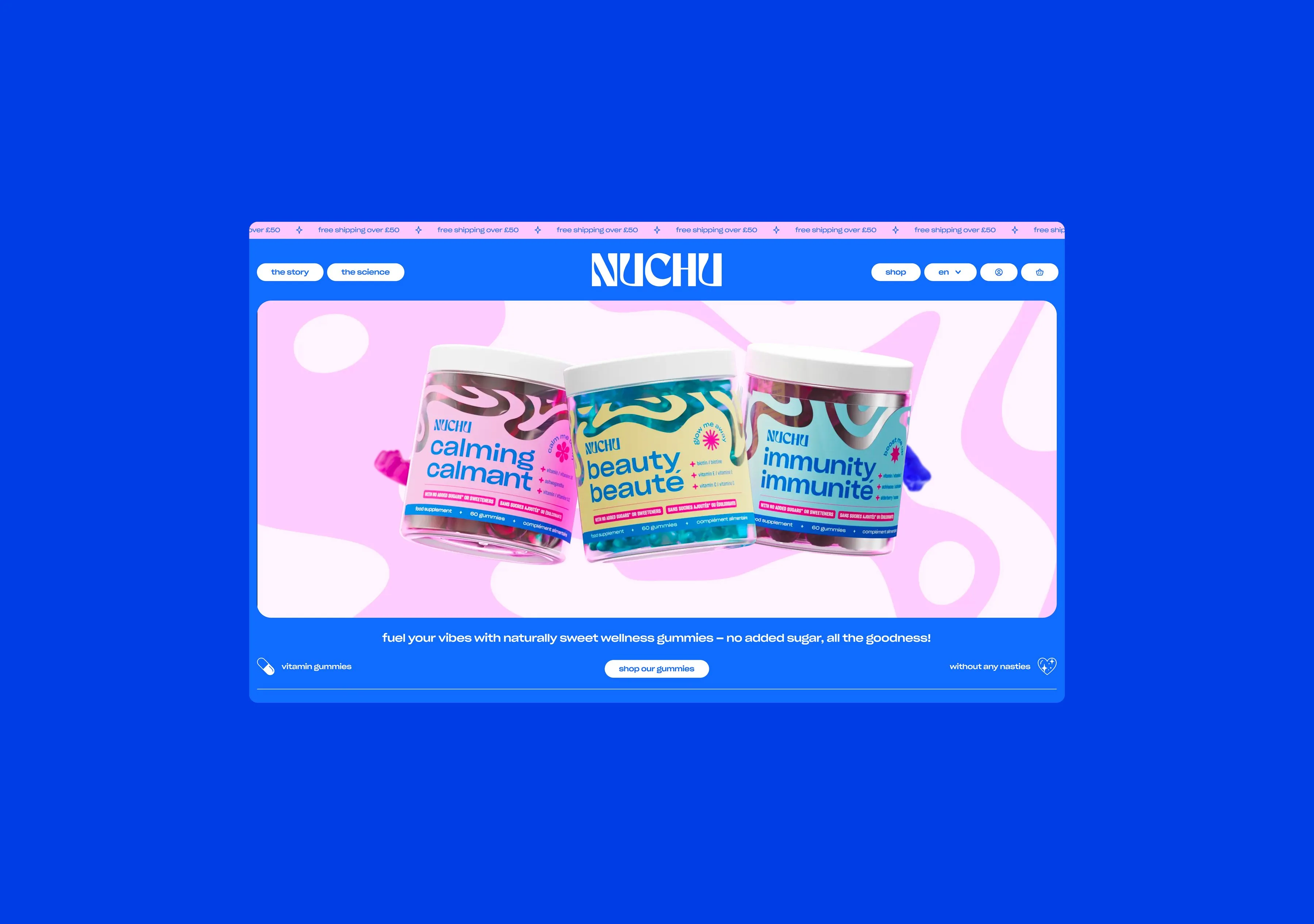
Nuchu
Gut-friendly gummies, packed full of goodness with none of the nasties.

KT Healthcare
A family-founded healthcare provider delivering specialist assessments, therapies and neuro-affirming care.
FAQ
Questions you’re
probably about to ask
Off-the-shelf is faster and cheaper when your process looks like everyone else’s. It stops being either once you’re paying for seats you don’t use and running the important half in a spreadsheet alongside it.
Web, unless there’s a reason not to — nothing to install, works everywhere, updates itself. Desktop wins when you need offline access, local files, connected hardware, or raw speed.
More than a website and less than you’d think, because the first release is deliberately small. You get a fixed quote for a defined first version after discovery, then decide what comes next once your team has actually used it.
Six to twelve weeks to a first working version covering the core of the process. That version goes live with real users — everything after it is shaped by what they hit.
Usually, yes. Anything with an API — Stripe, Xero, HubSpot, Airtable, Google Workspace — can read and write, which is normally where most of the manual work disappears.
You do, outright, in your own repository. No licence, no lock-in, and no reason you couldn’t hand it to another developer tomorrow.
Software that gets used keeps changing. Ongoing support covers fixes, new features and dependency updates, so the app grows with the process rather than rotting quietly.